
Thermal Drone Roof Inspections in Southwest Florida
Seacoast provides aerial thermal and visible imaging for accessible residential, commercial, condominium, and multi-family roofs. Temperature patterns can help prioritize areas for closer inspection; they do not, by themselves, confirm moisture, leaks, or insulation defects.
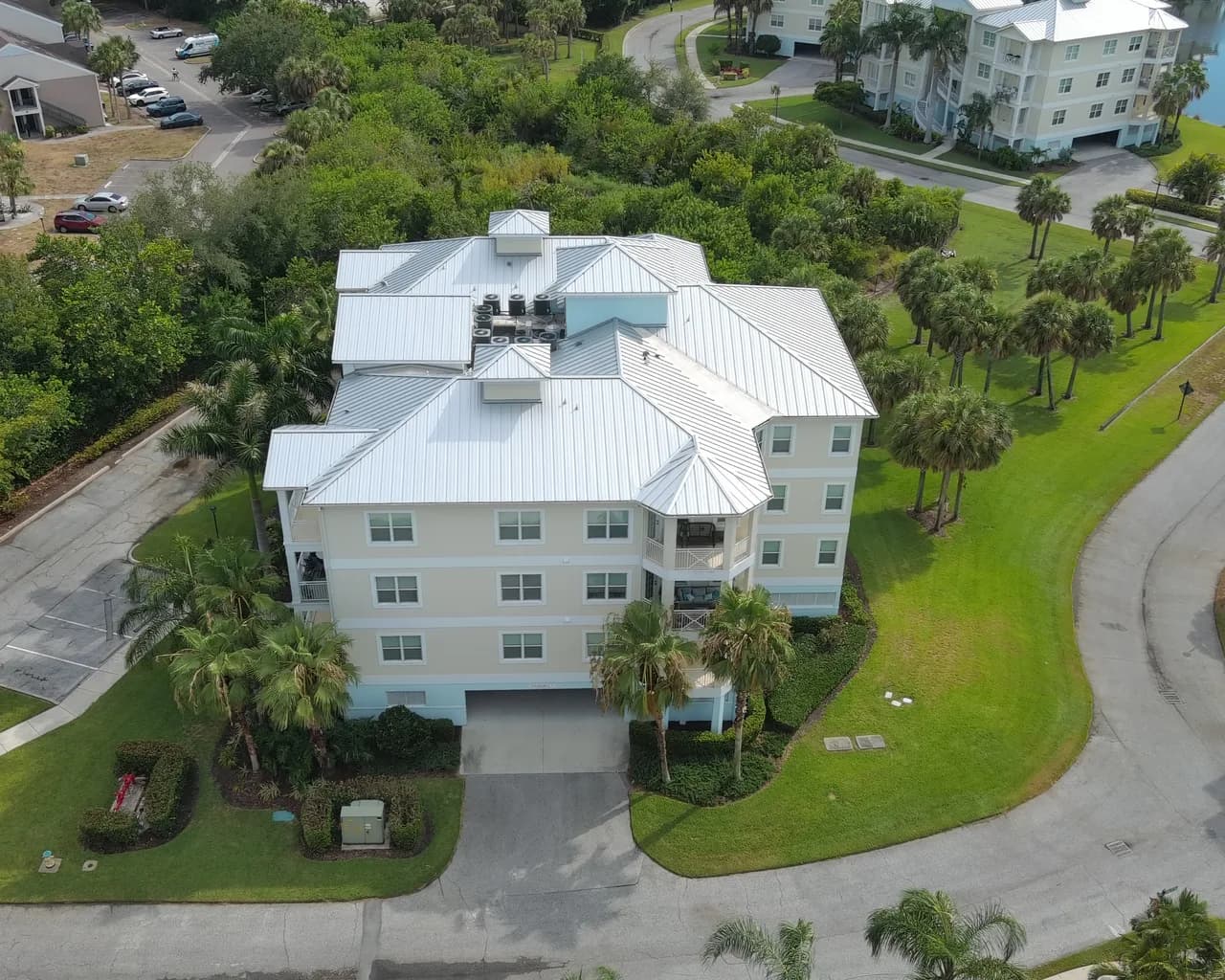
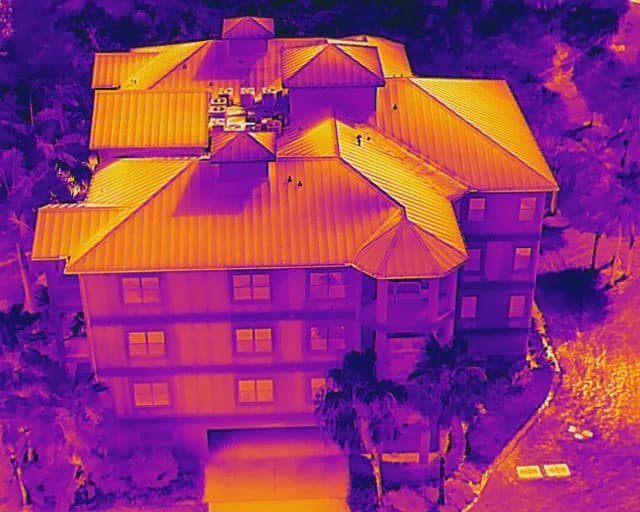
Visible and thermal context
Standard aerial photos help orient the thermal view and make follow-up areas easier to discuss.
Homes to larger properties
Seacoast can evaluate residential, commercial, condominium, association, and multi-family roof areas.
Planned around the conditions
Roof material, sun, weather, recent rain, and flight timing all affect the patterns a thermal camera records.
Real thermal roof imaging examples
See the roof from more than one point of view
These real thermal roof images were provided by Seacoast. They show relative surface-temperature variation at the time of capture—not a diagnosis by color alone.
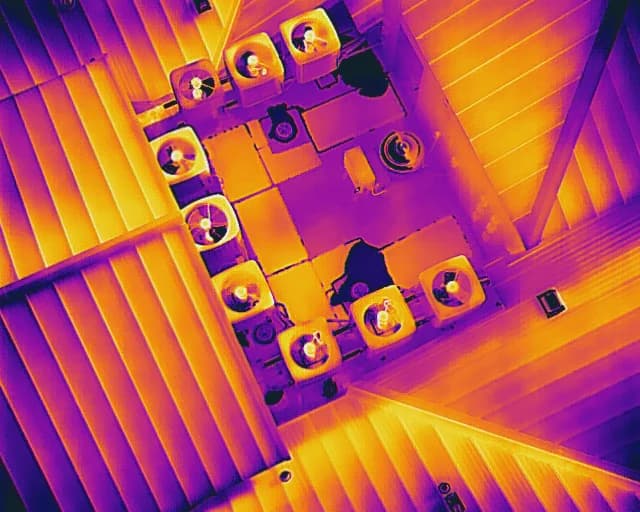
Rooftop equipment and surrounding areas
Thermal imagery adds context around mechanical equipment, curbs, transitions, and the roof areas around them.
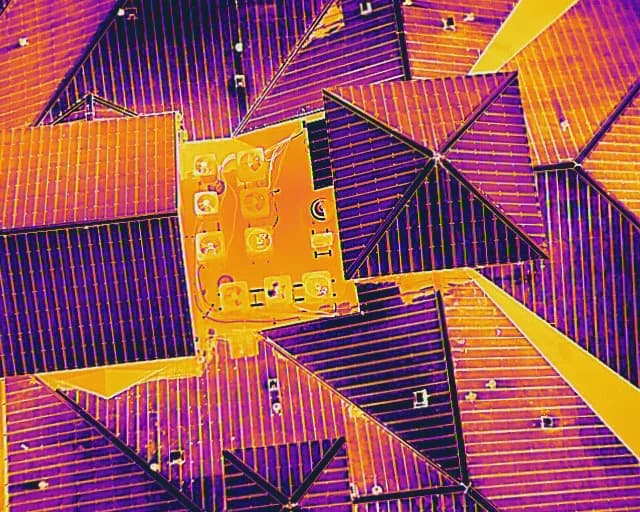
Metal roof planes and transitions
Aerial coverage can document roof planes, ridges, valleys, penetrations, and other areas that may need a closer review.
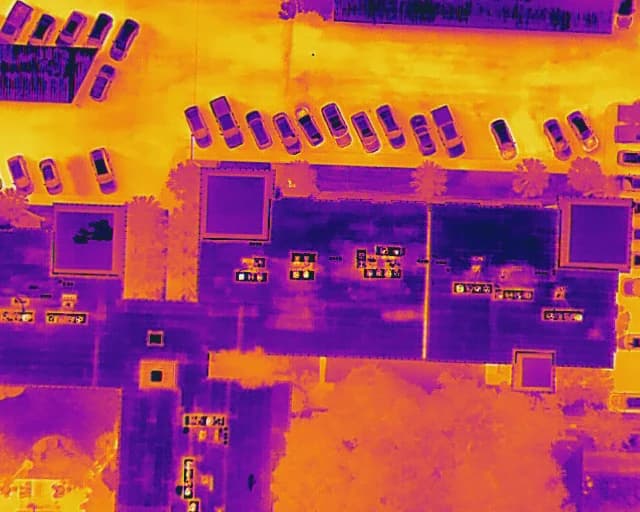
Larger flat-roof coverage
A broader thermal view can help a property team prioritize where a hands-on inspection or other testing should begin.
What to expect
A flight planned around the property and the question
Share the property
Send the address, roof type, property use, and the area or concern you want reviewed.
Plan useful conditions
Seacoast considers weather, recent rain, roof material, sun exposure, access, and flight conditions.
Capture both views
Visible-light images provide context while thermal images record surface-temperature variation.
Decide the next step
The agreed deliverables help prioritize direct inspection, other testing, monitoring, or a separate repair scope.
Drone access and flight availability depend on the property, airspace, weather, site conditions, and applicable flight requirements. The written quote confirms the inspection scope and deliverables.
Common questions
Thermal Drone Inspection FAQ
Related services
Plan the inspection and any follow-up together
Roof Certification Inspection
Request condition, photo, and remaining-service-life documentation when an insurer, buyer, or property plan calls for it.
Explore →Roofing
If follow-up confirms a repair or replacement need, Seacoast can prepare a separate construction scope and quote.
Explore →Storm Damage Repair
Document visible storm-related conditions and plan the agreed roof, exterior, or rehabilitation work.
Explore →Have a roof area you want to understand better?
Share the property address, roof type, and what prompted the inspection. Seacoast will help you decide whether thermal imaging is the right next step.